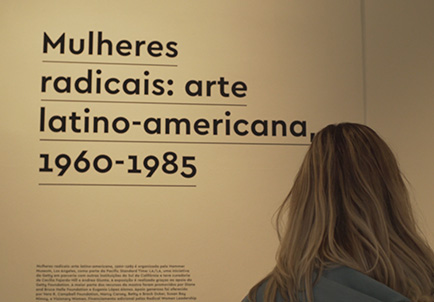
Stela visited the exhibition Radical Women: Latin American Art, 1960-1985, held at the Pinacoteca of São Paulo, from August 18 to November 19, 2018.
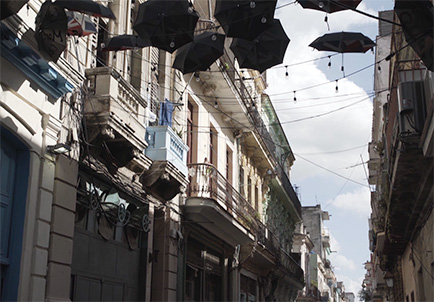
The team went to Cuba because of a letter by Antonia Eiriz, a leading Cuban artist, who is now represented in the hall of the National Museum of Fine Arts of Havana, but whose work was censored by the Government in the 70s. Glenda Santiago, the museum's guide, showed Antonia's paintings. We also interviewed the art curator Nelson Herrera. In Havana, we found Ana's first tracks.
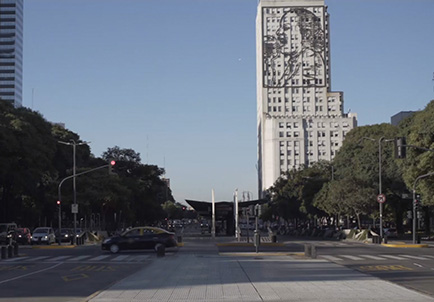
In Cuba, Stela was informed that Ana worked in Argentina as an intern of cinema. In Buenos Aires, we interviewed the major producer Lita Stantic and the art curator Laura Bucellato. We also joined a manifestation of the Madres da Plaza de Maio.
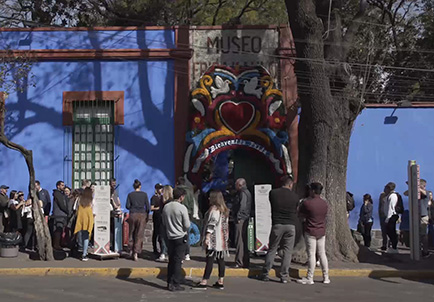
The team headed to Mexico, where Ana would have had gone to study with the Hungarian photographer Kati Horna. There we interviewed Frida Khalo's grandniece, Cristina Khalo, at the iconic Blue House; the writer and journalist Elena Poniatowska, with numerous published books, and the artist and photographer Lourdes Grobet, whose photos were also in the exhibition Radical Women, which opens the film.
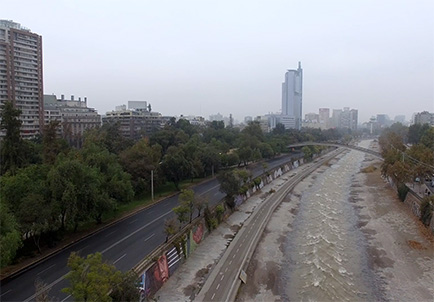
Ana decided to get to know and live the experience of Salvador Allende in Chile in 1973. The team followed her path and there we interviewed the teacher and artist Virginia Errázuriz and the artist Lotty Rosenfeld, one of the founders of CADA, an important artistic group that made numerous actions during Pinochet's dictatorship. The team also visited the National Stadium, where there were about 20,000 political prisoners, including many Brazilians.
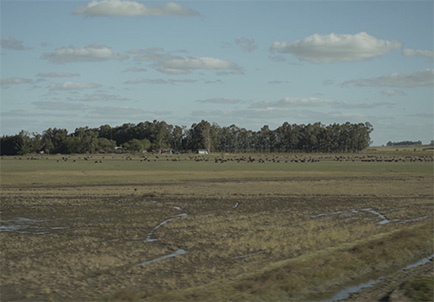
The team ended the research in the small town of Dom Pedrito, in Rio Grande do Sul where, according to information, Ana was born.